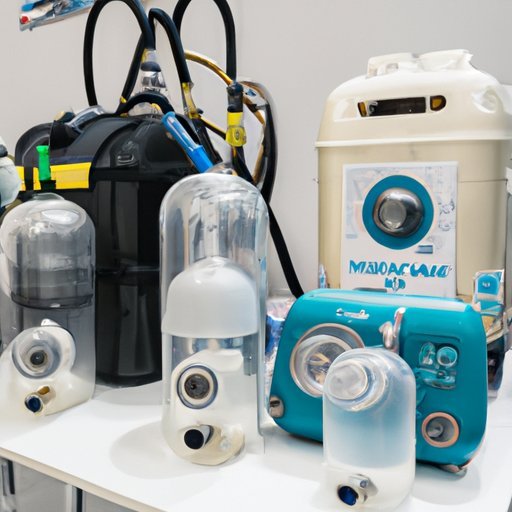
When a doctor says you need supplemental oxygen, it can feel like a curveball. Immediately, questions flood your mind: What exactly is an oxygen concentrator? How does it work? And with all the options out there, what are the different types of oxygen concentrators, and which one is right for my life?
Navigating the world of medical devices can be daunting, but understanding your options is the first step toward reclaiming your independence and improving your quality of life. Unlike bulky oxygen tanks that store a finite supply, oxygen concentrators are ingenious machines that continuously filter oxygen from the air around you. They're a game-changer for over 1.5 million Americans managing conditions like COPD, heart failure, cystic fibrosis, and long-term effects of illnesses like COVID-19.
This guide will cut through the jargon, giving you a clear, comprehensive understanding of these vital devices – from the compact units designed for travel to the robust machines that provide steady support at home.
At a Glance: Your Quick Guide to Oxygen Concentrators
- What it is: A medical device that pulls in room air, filters out nitrogen, and delivers highly concentrated (90-95%) oxygen.
- Why you need it: Prescribed by a doctor for conditions causing low blood oxygen, such as COPD, asthma, heart failure, and more.
- Prescription is Key: Never use or purchase one without a doctor's guidance; unsupervised use can be dangerous.
- Two Main Types: Portable (lighter, battery-powered, for travel) and Home/Stationary (heavier, electric-powered, for continuous home use).
- Continuous vs. Pulse Flow: Stationary units are typically continuous; portable units often offer pulse dose (oxygen delivered only when you inhale).
- Maintenance Matters: Regular cleaning of tubing, humidifier, and filters is crucial for safety and efficiency.
- Safety First: Oxygen is a fire accelerant. Keep concentrators at least 10 feet away from flames, heat sources, and flammable materials.
- Monitor Your Health: Use a pulse oximeter and know when to contact your doctor for symptoms of too much or too little oxygen.
Understanding Oxygen Concentrators: Your Personal Air Purifier
Imagine a machine that takes the very air you're breathing right now and refines it, turning it into a therapeutic breath of fresh, concentrated oxygen. That's essentially what an oxygen concentrator does. Our atmospheric air contains roughly 20% oxygen, with the rest being primarily nitrogen. An oxygen concentrator works by drawing in this ambient air, compressing it, and then passing it through a series of filters that chemically trap the nitrogen. The result? Air that's 90-95% pure oxygen, delivered directly to you via a thin tube connected to nasal prongs or a facemask.
This innovative technology stands in stark contrast to traditional oxygen tanks, which store oxygen in a compressed gas or liquid form. While tanks offer oxygen, they eventually run out and require refills, posing logistical challenges. Concentrators, however, are a continuous source, as long as they have power. This distinction is critical for consistent, long-term oxygen therapy. It also sets them apart from large-scale industrial systems; learn about o2 generators and their role in settings like hospitals, which operate on a much different scale.
The need for supplemental oxygen arises from various health conditions that impair your body's ability to absorb enough oxygen from the air. These can include:
- Chronic Obstructive Pulmonary Disease (COPD)
- Asthma
- Lung Cancer
- Heart Failure
- Cystic Fibrosis
- Bronchitis
- Sleep Apnea
- Complications from severe flu or COVID-19
A doctor's prescription is non-negotiable. They will determine the specific oxygen flow rate (measured in liters per minute, or LPM) and duration you need, tailored to your unique condition and activity level. Using an oxygen concentrator without this precise medical guidance can be dangerous, potentially leading to serious health issues like lung damage from receiving too little or even too much oxygen.
The Two Core Types of Oxygen Concentrators
When you're prescribed oxygen therapy, your doctor will likely discuss whether a portable or stationary unit best suits your lifestyle and medical needs. While both perform the same fundamental task – delivering concentrated oxygen – they are designed for very different patterns of use.
1. Portable Oxygen Concentrators (POCs): Freedom on the Go
Think of a Portable Oxygen Concentrator (POC) as your ticket to continued mobility and an active lifestyle. These units are designed with freedom in mind, allowing you to maintain your oxygen therapy while running errands, traveling, or visiting friends and family.
What Makes Them Portable?
- Size and Weight: POCs are significantly smaller and lighter than their home-based counterparts, typically weighing between 2 to 20 pounds. This makes them relatively easy to carry with a shoulder strap, backpack, or rolling cart.
- Battery Power: The key to their portability is rechargeable batteries. Depending on the model and settings, a single battery can last anywhere from 2 to 6 hours, while double-battery configurations can extend usage to 5-13 hours. This battery life is crucial for planning outings and travel. Most POCs also come with AC/DC power adapters, allowing them to be charged and operated from a wall outlet or a car's power source.
- Oxygen Delivery: Pulse Dose vs. Continuous Flow:
- Pulse Dose (PD): Most POCs deliver oxygen via a "pulse dose" system. This means oxygen is delivered in small, concentrated bursts only when you inhale, detecting your breath through the nasal cannula. This method is highly efficient, conserving oxygen and extending battery life.
- Continuous Flow (CF): Some larger, heavier portable models offer a continuous flow option, delivering a steady stream of oxygen regardless of your breathing pattern. This is often necessary for individuals who require higher flow rates or specific therapeutic needs, particularly during sleep.
- Flow Rates: Low-flow portable models typically provide 0.5 to 5 liters per minute (LPM) on a pulse dose setting. Higher-flow portable units can produce up to 10 LPM, often with a continuous flow option. Your doctor's prescription will specify your required flow rate.
Who Benefits Most from POCs?
POCs are ideal for individuals who: - Lead active lives and want to maintain their independence.
- Travel frequently, whether by car, train, or airplane (most are FAA-approved for flights).
- Need oxygen therapy for specific durations outside the home.
- Require supplemental oxygen but are not confined to their bed or home.
Things to Keep in Mind:
While revolutionary, POCs do require attention to battery management. Carrying extra charged batteries is essential for longer outings, and always ensuring your unit is fully charged before leaving home can prevent unexpected interruptions to your therapy.
2. Home Oxygen Concentrators (HOCs): Your Steady Supply
Also known as stationary oxygen concentrators, Home Oxygen Concentrators (HOCs) are the workhorses of long-term oxygen therapy. Designed for continuous, reliable operation within the confines of your home, these units prioritize stability and higher oxygen output over portability.
What Defines a Home Unit?
- Size and Weight: HOCs are larger and heavier than portable units, typically weighing around 22 pounds or more. While they usually have wheels for easy maneuverability within a room, they are not intended for travel outside the home.
- Power Source: These devices run on standard household electricity. This means they provide an uninterrupted supply of oxygen as long as they are plugged into a power outlet. Given their reliance on electricity, a battery backup system or a generator is a wise investment to ensure continuous therapy during power outages.
- Oxygen Delivery: Continuous Flow: HOCs almost exclusively provide continuous flow oxygen, delivering a steady stream of oxygen at your prescribed rate. This is particularly important for individuals who require consistent oxygen support throughout the day and night, including while sleeping.
- Flow Rates: Home concentrators are capable of generating higher oxygen flow rates than most portable units, often up to 15 liters per minute (LPM). This makes them suitable for patients with more severe respiratory conditions requiring substantial oxygen support.
Who Benefits Most from HOCs?
HOCs are typically recommended for individuals who: - Require oxygen therapy for 15-24 hours a day.
- Need higher flow rates that portable units cannot sustain.
- Are primarily home-bound or require constant oxygen support while sleeping.
- Prioritize a reliable, continuous oxygen supply over mobility.
Things to Keep in Mind:
While generally robust, stationary units do require regular maintenance, including weekly filter changes and periodic professional servicing to ensure optimal performance and longevity. Their reliance on electricity also means you'll need to consider backup power solutions.
Comparing Portable vs. Home Units: Which Is Right for You?
Choosing between a portable and a home oxygen concentrator largely depends on your lifestyle, medical needs, and the specific demands of your oxygen prescription. Sometimes, a combination of both is the ideal solution: a stationary unit for home use and a portable unit for outings.
Here's a quick comparison to help clarify the differences:
| Feature | Portable Oxygen Concentrator (POC) | Home Oxygen Concentrator (HOC) |
|---|---|---|
| Weight | 2-20 pounds (lighter, more mobile) | ~22+ pounds (heavier, less mobile) |
| Power Source | Rechargeable batteries (AC/DC capable) | Electricity (AC power) |
| Oxygen Flow | Primarily pulse dose; some continuous flow | Exclusively continuous flow |
| Max Flow Rate | Up to 10 LPM (varies greatly by model) | Up to 15 LPM |
| Intended Use | Travel, errands, active lifestyle, intermittent use | Constant home use, sleeping, high-demand, continuous use |
| Battery Life | 2-13 hours (depending on battery & settings) | Runs continuously when plugged in |
| Noise Level | Generally quieter than older HOCs | Can be louder, especially older models |
| Maintenance | Battery management, regular cleaning | Regular filter changes, cleaning, professional servicing |
Making the Smart Choice: What to Consider Before You Buy or Rent
Selecting the right oxygen concentrator is a critical decision that impacts your health and quality of life. Beyond just choosing between portable and stationary, several key factors should guide your choice. Always remember that these decisions should be made in consultation with your doctor.
Your Oxygen Capacity Needs
This is arguably the most crucial factor. Your doctor will prescribe a specific oxygen flow rate (e.g., 2 LPM continuous, or a pulse setting of 3). The concentrator you choose must be capable of meeting or exceeding this prescription, not just at rest but also during various activities.
Actionable Insight: Test your blood oxygen levels with a pulse oximeter while using the device during different activities (walking, sitting, light chores) to ensure it maintains your oxygen saturation within the healthy range specified by your doctor.
FDA Approval is Non-Negotiable
Only purchase or rent an oxygen concentrator that is explicitly FDA-approved. This approval ensures the device meets rigorous safety and effectiveness standards set by the U.S. Food and Drug Administration. Using unapproved devices can be dangerous and ineffective.
Cost: Renting vs. Buying, New vs. Used
Oxygen concentrators can be a significant investment.
- Purchasing New: Offers the latest technology, warranty, and peace of mind. Portable units tend to be more expensive than stationary ones.
- Purchasing Used: Can be a budget-friendly option, especially for short-term needs. Ensure the device has been properly serviced, has a clean filter, and is from a reputable dealer. Verify its FDA approval.
- Renting: An excellent option for short-term therapy, travel, or to try out a specific model before committing to a purchase. It often includes maintenance and troubleshooting support.
Check with your insurance provider, as many will cover a significant portion or even the full cost of oxygen therapy equipment, especially if deemed medically necessary.
Portability Needs and Lifestyle
- Active Lifestyle/Traveler: If you're frequently out of the house, travel, or want to maintain hobbies that take you away from an electrical outlet, a portable oxygen concentrator is likely essential. Consider its weight and size – can you comfortably carry or transport it?
- Primarily Home-Based: If your oxygen needs keep you mostly at home, a stationary unit will provide the most reliable and consistent oxygen supply. Consider its noise level and how it will integrate into your living space.
Weight vs. Oxygen Output vs. Battery Life
These three factors are often inversely related, especially for portable units:
- Heavier Devices: Tend to offer higher oxygen output and/or longer battery life.
- Lighter Devices: Are more portable but might have lower maximum flow rates or shorter battery life.
Consider your physical ability to lift and carry the device, particularly for portable units. What's the trade-off you're willing to make between weight, power, and freedom? For POCs, longer battery life typically means a slightly heavier device, but it also means more independence.
The Crucial Reminder: Your Doctor's Prescription is Paramount
We cannot stress this enough: Never use an oxygen concentrator without a doctor's prescription and guidance. Your physician will determine:
- Flow Rate: The exact liters per minute (LPM) you need.
- Duration: How many hours per day you should use the oxygen.
- Delivery Method: Nasal cannula or facemask.
Deviating from your prescribed settings can have serious, even life-threatening, consequences, ranging from inadequate oxygen to oxygen toxicity.
Living with Your Concentrator: Practical Tips for Daily Use
Integrating an oxygen concentrator into your daily life requires a few practical adjustments and a consistent routine. These tips will help ensure your therapy is effective, comfortable, and safe.
Always Follow Your Doctor's Orders
Your prescribed oxygen flow rate is specifically tailored to your body's needs. Do not adjust the flow rate up or down without explicit medical advice. Using too little oxygen can leave your organs starved, while using too much can be equally dangerous, potentially leading to oxygen toxicity.
Manage Your Batteries Wisely (for Portable Units)
For POC users, battery management is key to maintaining your freedom.
- Carry Spares: Always have at least one extra fully charged battery when leaving home.
- Charge Regularly: Get into the habit of charging your batteries every night, just like your phone.
- Monitor Battery Life: Pay attention to the battery indicator on your device, especially during extended outings.
Combat Dryness with Humidification
Oxygen therapy can sometimes lead to a dry nose, throat, or even nosebleeds. A humidifier bottle, attached to your concentrator and filled with distilled water, can add moisture to the oxygen, making your therapy much more comfortable.
- Use Distilled Water: Tap water contains minerals that can build up in the humidifier bottle and tubing, potentially leading to blockages or bacterial growth.
- Tubing Length: While tubing can be extended up to 50 feet to allow for more movement around your home, be mindful of tripping hazards. Secure tubing where possible to prevent falls.
Keeping It Clean: Your Concentrator Maintenance Checklist
Regular cleaning is vital for preventing bacterial growth, ensuring proper function, and extending the life of your equipment.
- Tubing or Facemask:
- Frequency: Wash weekly, or more often if you're sick.
- Method: Use warm water and mild dish soap. Rinse thoroughly and allow to air dry completely.
- Replacement: Replace if it becomes discolored, stiff, cracked, or damaged.
- Humidifier Bottle:
- Frequency: Clean every 3 days.
- Method: Wash with warm water and mild dish soap. Rinse thoroughly with hot water. For a deeper clean and to remove bacteria, soak it in a solution of equal parts white vinegar and water for 30 minutes. Rinse again and allow to air dry completely.
- Concentrator Filter:
- Frequency: Clean monthly.
- Method: Remove the filter according to your device's manual. Dunk it in warm water with a mild dish soap. Gently scrub it to remove any dust or debris. Rinse thoroughly under running water until all soap residue is gone. Crucially, allow the filter to air dry completely before reinserting it. A damp filter can damage the concentrator.
Always refer to your specific device's instruction manual for detailed cleaning and maintenance guidelines, as procedures can vary by model.
The Downsides: What to Expect and How to Manage
While oxygen concentrators are life-changing devices, they do come with a few considerations and potential drawbacks. Understanding these can help you manage expectations and plan effectively.
Power Dependency
The most significant drawback is their reliance on a power source.
- Stationary Units: Require a constant electrical supply. Power outages, even brief ones, can interrupt your therapy. Investing in a battery backup system or a small generator is strongly recommended, especially if you live in an area prone to outages or have critical, continuous oxygen needs.
- Portable Units: While battery-powered, their run time is limited. For extended travel or long days out, you'll need multiple fully charged batteries and access to charging ports.
Noise Levels
Some oxygen concentrators, particularly older models of stationary units, can be noticeably loud. This continuous hum can be disruptive, especially at night or in quiet environments. Newer models are generally quieter, but it's worth checking the decibel rating if noise is a concern for you. Oxygen tanks, by contrast, are silent.
Ongoing Maintenance
While essential for safety and performance, the required cleaning and filter changes can be a minor inconvenience. Stationary units may also require periodic professional servicing to maintain peak efficiency.
Potential Side Effects
While oxygen therapy is generally safe and beneficial, some individuals may experience mild side effects:
- Dry or Bloody Nose: This is common due to the continuous flow of dry oxygen. Using a humidifier bottle with distilled water can significantly alleviate this.
- Morning Headaches: Sometimes related to changes in oxygen levels during sleep. Discuss this with your doctor.
- Fatigue: While oxygen therapy aims to reduce fatigue caused by low oxygen, some individuals may experience a paradoxical increase in fatigue, or simply find the constant connection to the device tiring.
If you experience persistent or concerning side effects, always consult your doctor.
Safety First: Essential Precautions for Oxygen Therapy
Oxygen is a lifeline, but it's also a powerful oxidizer. This means it can make fires burn hotter, faster, and even cause explosions in certain circumstances. Strict adherence to safety guidelines is paramount to protect yourself and your home.
Fire Risk: The Golden Rule is 10 Feet
This is the most critical safety warning: Keep your oxygen concentrator and any oxygen delivery equipment at least 10 feet (about 3 meters) away from any potential source of flame, heat, or sparks. This includes:
- Open Flames: Cigarettes, candles, fireplaces, gas stoves, grills, matches, lighters. Never smoke or allow anyone to smoke while oxygen is in use.
- Heat Sources: Space heaters, electric blankets, curling irons, hair dryers, toasters, ovens.
- Flammable Materials: Gasoline, oil, paint thinners, rubbing alcohol, aerosols, petroleum-based creams or ointments (like Vaseline). Opt for water-based lotions instead.
- Electrical Equipment: Faulty wiring, sparks from outlets, or even high-powered electrical devices like some vape pens.
Oxygen itself is not flammable, but it significantly accelerates the burning process of other materials. A small spark in an oxygen-rich environment can quickly escalate into a dangerous fire.
Proper Placement and Ventilation
- Open Spaces: Always place your oxygen concentrator in an open, well-ventilated area.
- No Blocked Vents: Never cover the device or block its air vents. This prevents overheating and ensures the concentrator can draw in ambient air efficiently. A blocked vent can lead to device malfunction or even fire.
- Upright Position: Keep the unit upright at all times to ensure proper operation.
Understanding Alarms
Your oxygen concentrator is equipped with various alarms designed to alert you to potential issues. Familiarize yourself with these alarms by reading your instruction manual. An alarm could indicate:
- A power failure.
- A low oxygen concentration being delivered.
- An obstruction in the tubing.
- A system malfunction.
If an alarm sounds, consult your manual immediately and troubleshoot as directed. If the issue persists or you're unsure, contact your oxygen equipment provider or doctor.
Never Use Without a Prescription (Reiterated for Safety)
It bears repeating: acquiring or using an oxygen concentrator without a doctor's prescription and ongoing medical guidance is incredibly dangerous. Self-medicating with oxygen can lead to:
- Hypoxemia (Too Little Oxygen): If your device isn't delivering enough oxygen, or your flow rate is too low, your vital organs can be starved of oxygen, causing irreversible damage.
- Oxygen Toxicity (Too Much Oxygen): Surprisingly, too much oxygen can also be harmful, particularly to your lungs and central nervous system.
- Delay in Proper Diagnosis: Relying on unprescribed oxygen can mask underlying health issues, delaying appropriate medical care.
Always ensure your device is FDA-approved and that you have a clear understanding of your prescribed flow rate and usage schedule.
Monitoring Your Health: When to Contact Your Doctor
Living with an oxygen concentrator means becoming attuned to your body and your device. Knowing when to seek medical attention is a vital part of managing your health effectively.
Device Alarms
If your oxygen concentrator's alarm activates, especially if it indicates a drop in oxygen levels (e.g., below 80%), check your device and connections according to the manual. If the alarm persists or you can't resolve the issue, contact your equipment provider or doctor immediately. Do not ignore persistent alarms.
Symptoms of Too Much Oxygen (Oxygen Toxicity)
While rare when following a doctor's prescription, it's important to be aware of the signs of potentially excessive oxygen, which can include:
- Dizziness
- Confusion or memory loss
- Headaches
- Nausea
If you experience these symptoms, especially after a change in your oxygen therapy, contact your doctor.
Symptoms of Not Enough Oxygen (Hypoxemia)
These symptoms indicate that your body isn't receiving sufficient oxygen, and require prompt medical attention:
- Increased confusion or disorientation
- Restlessness or anxiety
- A slow heart rate
- Persistent headaches
- Cyanosis: A bluish tint to your skin, fingernails, lips, or gums (this is a serious sign and requires immediate medical attention).
The Importance of a Pulse Oximeter
A pulse oximeter is a small, non-invasive device that clips onto your finger and measures your blood oxygen saturation (SpO2) and pulse rate. It's an invaluable tool for:
- Monitoring Your Levels: Regularly check your SpO2, especially during activity or if you feel unwell. Your doctor will tell you what range is healthy for you.
- Assessing Device Effectiveness: It helps confirm that your oxygen concentrator is effectively delivering the oxygen you need.
- Early Warning Sign: A consistently low SpO2 reading can be an early indicator that you need to contact your doctor or adjust your oxygen settings (only as advised by your doctor).
Your doctor will provide guidance on when and how often to use a pulse oximeter, and what SpO2 readings should prompt you to call them.
Your Path Forward: Taking Control of Your Oxygen Therapy
Understanding the different types of oxygen concentrators empowers you to make informed decisions about your health. Whether you choose a portable unit for its flexibility or a stationary one for its steady reliability, remember that these devices are tools designed to enhance your well-being and freedom.
Always prioritize open communication with your healthcare team. They are your primary resource for:
- Prescription Adjustments: Ensuring your oxygen flow rate aligns with your changing needs.
- Troubleshooting: Addressing any issues or concerns with your device.
- Education: Providing further guidance on living safely and effectively with oxygen therapy.
By staying informed, adhering to safety protocols, and maintaining your equipment, you can confidently integrate oxygen therapy into your daily life, improving your breathing, boosting your energy, and ultimately, taking greater control over your health.