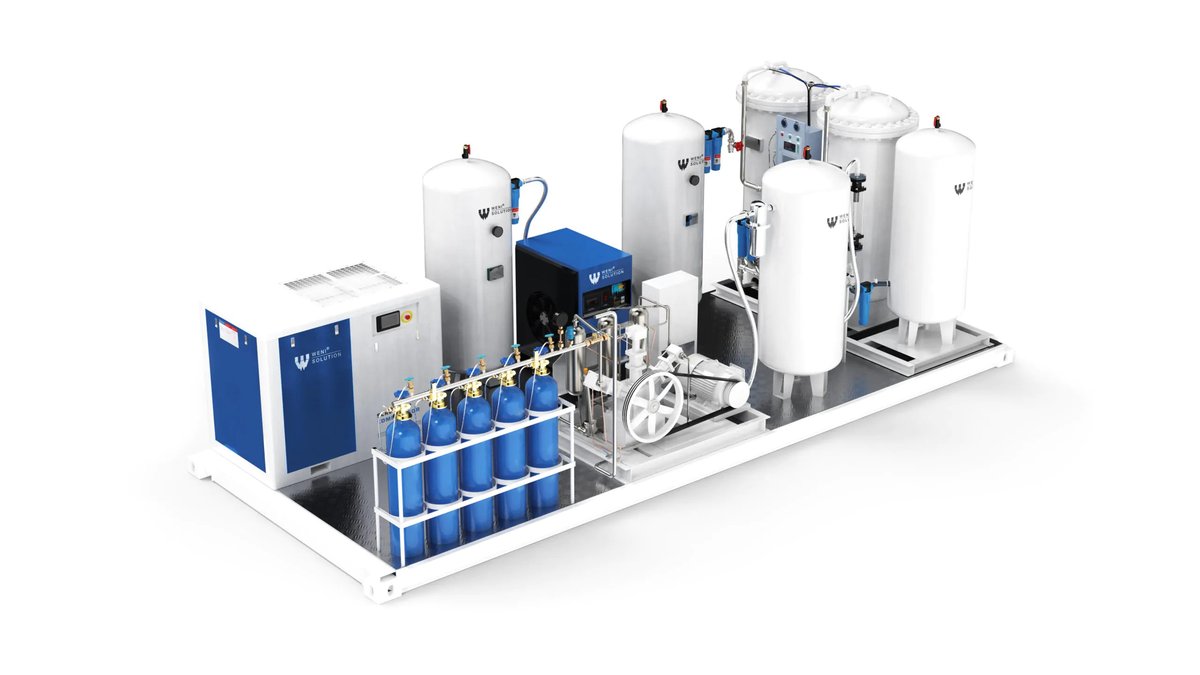
Navigating the world of home oxygen therapy can feel overwhelming, especially when your health or the health of a loved one is at stake. An O2 generator, often more specifically referred to as an oxygen concentrator, is a vital piece of equipment that can significantly improve quality of life for individuals requiring supplemental oxygen. This flagship guide is designed to cut through the jargon, offer clarity, and empower you to make an informed decision about choosing the best oxygen solution for your unique home needs.
Here, we'll explore what these devices are, how they work, the critical features to look for, and spotlight some of the top performers in the market today. Our goal is to ensure you feel confident and supported in finding the perfect match to enhance your daily living.
Demystifying O2 Generators: What You Need to Know
When people talk about "O2 generators" for home use, they are almost always referring to what medical professionals call oxygen concentrators. While an oxygen generator is a broader term encompassing various ways oxygen can be produced, an oxygen concentrator is a specific medical device that extracts and concentrates oxygen from the ambient air around you. It then delivers this enriched oxygen directly to you, making it a safer and often more convenient alternative to oxygen tanks.
Understanding the fundamental difference and the various forms these vital devices take is the first step in your journey. If you're keen to understand the different models and systems available, you can Explore oxygen concentrator types to see what might best suit your lifestyle.
The Science Behind the Air You Breathe
Ever wondered how a machine can magically produce oxygen out of thin air? It's not magic, but clever science! Oxygen concentrators work by drawing in room air, which is about 21% oxygen and 78% nitrogen, along with trace gases. Inside the device, a special process called pressure swing adsorption (PSA) or membrane separation filters out the nitrogen, leaving behind highly concentrated oxygen. This pure oxygen is then delivered to you through a nasal cannula or mask.
This continuous process means you don't need to worry about refilling tanks, offering a steady and reliable supply right in your home. To truly grasp the inner workings and innovative technology behind these devices, it's worth understanding How Oxygen Concentrators Work in detail.
Why an O2 Generator Might Be Right For You
An O2 generator is prescribed for various medical conditions where the body isn't getting enough oxygen from normal breathing. Conditions like COPD, emphysema, severe asthma, cystic fibrosis, or even heart failure often necessitate supplemental oxygen to alleviate symptoms, improve energy levels, and enhance overall quality of life. Using an oxygen concentrator at home can reduce hospital visits, support better sleep, and enable greater independence.
Consulting with your healthcare professional is always the crucial first step to determine if oxygen therapy is right for you. They can assess your specific needs and prescribe the correct oxygen flow settings. If you’re looking to understand more about the conditions that benefit from oxygen therapy and the potential improvements it can bring, Here are a few options for understanding the health impacts and benefits in depth.
Finding Your Match: Key Features to Consider
Choosing the right O2 generator involves balancing several crucial factors to ensure it meets both your medical requirements and your lifestyle. Reliability and performance are paramount, but so are practical aspects like noise level, portability, and ease of use.
When comparing models, think about:
- Oxygen Purity and Flow Rate: Most home concentrators offer adjustable flow rates (e.g., 1-9L per minute) and maintain a high oxygen purity (typically around 90-96% at lower flow rates). Your doctor will prescribe the exact flow rate you need.
- Noise Level: Measured in decibels (dB), this can significantly impact your comfort, especially in quiet home environments or bedrooms. Many modern units are designed for ultra-quiet operation.
- Portability vs. Stationary: Do you need a lightweight unit for occasional movement around the house, or a fully portable device for travel? Home units are generally larger and more powerful, while portable concentrators offer freedom but often have lower flow rates and battery life considerations.
- Continuous vs. Pulse Flow: Most home concentrators offer continuous flow, delivering a steady stream of oxygen. Portable units often use pulse dose technology, delivering oxygen only when you inhale, to conserve battery.
- Control and Display: Easy-to-read LED panels, touch controls, and remote control options enhance user-friendliness.
- Maintenance: Consider how easy it is to clean filters and perform routine upkeep.
Top brands recognized for their quality and innovation include Philips Respironics, Inogen, and DeVilbiss Healthcare, among others.
Spotlight on Top Home O2 Generators
We've reviewed several leading oxygen generators tailored for home use, each excelling in different aspects to cater to diverse user preferences. Here’s a summary of some highly-regarded options:
For Ultra-Quiet Operation:
- Best Ultra-Quiet Performance: Features 1–8L adjustable continuous flow with 93% purity at 1L, operating as quietly as 36 dB. This unit includes an LED touch display, timer options (0.5 to 12 hours with auto shut-off), and weighs 14.5 pounds with a complete accessory set. Users consistently praise its remarkably quiet performance and intuitive design, though its weight might be a minor consideration for frequent travel.
- Best Quiet Operation: Noted for whisper-quiet performance below 50 dBA and 1–8L adjustable flow with an intelligent control system. It offers a straightforward interface, a detachable air duct for easy maintenance, and is energy-efficient and portable for home use. While excellent for home, it's less suited for travel or clinical settings.
- Best Quiet Home Use: Delivers steady, high-purity oxygen (1–7L adjustable, up to 90% at 1L) with 24-hour continuous operation. Operating at a low 42 dB, it includes an adjustable timer (up to 8 hours) and a simple interface. Valued for its quietness, stable performance, and ease of mobility within the home, though not designed for outdoor use.
For Flexible Flow and Control:
- Best Adjustable Flow Range: Offers a versatile 1–8L adjustable, continuous oxygen flow, maintaining up to 93% concentration at lower rates. It boasts an easy LED touch panel and operates ultra-quietly (under 36 dB), weighing 14.5 pounds. Its flexibility, quietness, and ease of use are frequently highlighted, despite having somewhat limited timer options.
- Best Dual Control Design: Provides 1–9L adjustable flow with up to 93±3% purity at low settings and supports 24-hour continuous operation. This model includes a timer (10 minutes to 8 hours), operates around 45 dB, and features both touch and remote control with a large display and voice guide. Equipped with wheels for easy mobility, it's praised for performance, user-friendly controls, and reliability, though it can be slightly noisier at higher flow settings.
When delving into the specifics of various models and what makes one better than another for certain applications, you'll find comprehensive information and comparisons. We recommend reviewing dedicated resources for Buying Guides and Reviews for O2 generators to help solidify your decision.
Long-Term Ownership: Care and Maintenance
Once you've chosen your O2 generator, understanding its care and maintenance is essential for ensuring its longevity and optimal performance. Regular cleaning of filters, proper storage, and knowing how to troubleshoot minor issues can prevent disruptions to your oxygen therapy. Most devices require simple filter cleaning or replacement and general wiping down of surfaces.
Being proactive with maintenance not only keeps your device running efficiently but also ensures you're always receiving the prescribed oxygen purity. For detailed instructions on keeping your equipment in top condition and addressing common concerns, be sure to consult our guide on O2 Generator Care and Troubleshooting.
Your Journey to Better Breathing
Choosing an O2 generator is a significant step towards managing your health and improving your quality of life. By understanding the different types, how they work, key features, and the best options available, you're well on your way to making an informed decision. Always remember to consult with your healthcare provider to ensure the device you select aligns perfectly with your medical needs and prescription. With the right information and professional guidance, you can find the ideal O2 generator that brings comfort, independence, and peace of mind to your home.