When you hear "O2 generators," what comes to mind? For many, it's about life-sustaining oxygen. But in today's world, that term often encompasses a much broader array of devices designed to impact your home environment, from cleaning your air to keeping the lights on. Navigating the world of Buying Guides and Reviews for O2 Generators can feel like deciphering a complex code, especially when you're trying to figure out if you need cleaner air, a healthier breathing environment, or simply reliable power during an outage.
This guide is designed to cut through the noise, offering clear, actionable insights into the diverse technologies that fall under this umbrella. We’ll break down what each device does, highlight top contenders, and give you the confidence to make the best choice for your home and peace of mind.
At a Glance: Your Quick Guide to "O2 Generators"
- Oxygen Concentrators: Best for personal oxygen supplementation (non-medical), offering adjustable flow and high purity quietly. Think individual well-being.
- Ozone Generators: Powerful for deep odor removal and air purification in vacant spaces. Crucial safety note: Never operate with people, pets, or plants present.
- Home Standby Generators: Permanent installations for automatic, whole-house backup power during outages. Seamless and robust.
- Portable Generators: Versatile, movable power for specific appliances or limited home backup. Great for flexibility and on-the-go needs.
- Key Decision Factors: Always consider purpose, power needs, fuel type, noise levels, portability, essential safety features, and warranty.
Demystifying "O2 Generators": Understanding the Landscape
The term "O2 Generator" might conjure images of machines solely producing oxygen. While oxygen concentrators certainly fit that bill, the landscape of home environmental control and backup power is broader. For clarity, this guide covers three distinct categories often grouped under similar search terms:
- Oxygen Concentrators: Machines that filter ambient air to deliver a concentrated stream of oxygen.
- Ozone Generators: Devices that produce ozone (O3), a powerful oxidant used for deodorizing and purifying spaces.
- Power Generators: Systems that provide electricity, ensuring your home functions even when the grid doesn't.
Each serves a vital, yet very different, purpose. Let’s explore each one so you can pinpoint exactly what you need. For a deeper understanding of the core technology, you might want to Learn more about O2 generators in general.
Breathing Easy: Oxygen Concentrators for Personal Air Enhancement
Imagine having access to a consistent supply of highly purified air, right in your living room. That's the promise of an oxygen concentrator. These devices don't store oxygen; instead, they draw in ambient air, filter out nitrogen and other gases, and deliver a concentrated stream of oxygen for you to inhale. They are becoming increasingly popular for individuals seeking non-medical oxygen supplementation to support vitality and well-being.
How Oxygen Concentrators Work Their Magic
The process is surprisingly simple yet incredibly effective. Air is pulled into the unit, passed through a series of filters to remove impurities, and then compressed. Within the concentrator, specialized sieve beds containing a material called zeolite absorb nitrogen. This leaves behind a highly concentrated stream of oxygen, which is then delivered to you via a nasal cannula or mask.
What to Look For: Key Features & Considerations
When evaluating oxygen concentrators, a few core features stand out:
- Adjustable Oxygen Flow: This determines how much oxygen is delivered per minute, typically measured in Liters Per Minute (LPM). You'll want a model that offers a range, like 1 to 9 LPM, to suit varying personal needs.
- Oxygen Purity Concentration: This indicates the percentage of oxygen in the delivered air. High-quality units can deliver up to 95% purity at lower flow rates, ensuring you get a truly concentrated supply.
- Noise Level: Since these devices are often used in quiet home environments, a low noise level (e.g., below 40 dB) is a significant advantage. You don't want your relaxation disturbed by a loud hum.
- Portability & Design: While many home models are stationary, their footprint and ease of movement within a room can matter. Features like remote control and a large LED screen enhance user convenience.
- Additional Functions: Some units may offer integrated nebulizer support or negative ion purification, adding extra versatility.
- Medical vs. Non-Medical: It's crucial to understand if the device is intended for medical use (requiring a prescription) or for general family oxygen supplementation. Most readily available home units are non-medical.
Featured Pick: BSMOON Oxygen Concentrator
The BSMOON oxygen concentrator exemplifies a robust home-use model. It offers an adjustable oxygen flow from 1 to 9 LPM, with an impressive purity of up to 95% at its lowest flow setting. Designed with user comfort in mind, it operates quietly below 40 dB, making it suitable for any room in your house. The large LED screen and remote control add to its user-friendly appeal, and it even supports nebulizer use and negative ion purification – features that contribute to a holistic approach to home air quality. Remember, this specific model is noted as a non-medical device, perfect for general family supplementation. To learn more about the technology behind these devices, consider a deep dive into oxygen concentrator technology.
Tackling Tough Odors: Ozone Generators for Air Purification
If you've ever dealt with stubborn odors from smoke, pets, mold, or just stale air, an ozone generator might sound like a miracle worker. These powerful devices produce ozone (O3), a highly reactive gas that effectively neutralizes unpleasant smells and breaks down pollutants at a molecular level. Unlike air fresheners that merely mask odors, ozone generators actively destroy the source.
The Science of Smell Elimination
Ozone is an allotrope of oxygen, meaning it's a different form of the same element. While typical oxygen has two atoms (O2), ozone has three (O3). The third oxygen atom in ozone readily detaches and attaches to pollutants, oxidizing them and breaking down their chemical structure. This process effectively "cleans" the air and surfaces in a treated space.
Critical Safety First: A Non-Negotiable Rule
This is paramount: Ozone gas can be hazardous to living organisms. When using an ozone generator, you must ensure that no people, pets, or plants are present in the area during operation. After treatment, the space needs to be thoroughly ventilated for at least an hour (and ideally longer, depending on the concentration and duration of treatment) before re-entry. This isn't a suggestion; it's a critical safety protocol to protect health. For more detailed advice, check out essential safety guidelines for ozone generators.
Key Features and How to Choose
When selecting an ozone generator, focus on these aspects:
- Ozone Output (mg/h): This metric (milligrams per hour) indicates how much ozone the unit produces. Higher output means faster and more effective treatment for larger spaces or tougher odors. For instance, a model producing 45,000 mg/h is designed for industrial-level deodorizing, while 5,000 mg/h is robust for typical home use.
- Coverage Area: Match the ozone output to the size of the space you intend to treat. Units rated for 2,000 to 2,500 square feet are suitable for most residential and even some light commercial applications.
- Timer Functionality: A built-in timer is essential for setting precise treatment durations, preventing over-ozonation and ensuring safe operation.
- Durability of Ozone Plate: The ozone plate is the heart of the machine. An "upgraded" or high-quality plate suggests better reliability and lifespan.
- Frequency of Use: For ongoing air quality maintenance, manufacturers might recommend regular, brief treatments (e.g., twice a week).
Featured Picks: Powerful Ozone Solutions
- High-Capacity Ozone Generator (45,000 mg/h): For those facing severe odor issues or needing to treat large areas (up to 2,500 square feet), a model generating 45,000 mg/h of ozone is an industrial-strength solution. It’s highly effective for tackling smoke, pet odors, and general purification, especially with its upgraded ozone plate for enhanced reliability. Remember, rigorous ventilation is non-negotiable after using such a powerful unit.
- Airthereal MA5000 (5,000 mg/h): A popular choice for home users, the Airthereal MA5000 delivers 5,000 mg/h of ozone, capable of rapidly deodorizing spaces up to 2,000 square feet. It excels at neutralizing a wide range of odors, including smoke, and targets volatile organic compounds (VOCs). Regular use, as often as twice a week, can contribute to a healthier home environment, always adhering to the strict safety protocols.
You might also be interested to compare other air purification methods to see how ozone generators stack up against alternatives.
Keeping the Lights On: Power Generators for Home Backup
Now we shift gears entirely, moving from air quality to power reliability. When storms hit, or the grid unexpectedly fails, a power generator can be the difference between a minor inconvenience and a major disruption. These "O2 generators" in the broader sense ensure your essential appliances, and even your entire home, stay powered. There are two main categories to consider: home standby and portable.
Home Standby Generators: Seamless, Whole-House Protection
Imagine a power outage happening, and you barely notice. That's the beauty of a home standby generator. These are permanently installed outside your home, similar to an AC unit, and are connected directly to your electrical system. When the utility power goes out, they automatically sense the interruption, start up, and transfer power to your home, all within seconds.
The Unseen Guardian of Your Home
Standby generators are designed for long-term, hands-off operation. They run on natural gas or liquid propane, meaning you don't have to worry about refueling during an extended outage. Their robust construction and weather-resistant enclosures ensure they can withstand the elements, providing reliable power year-round.
Essential Features for Standby Power
- Power Output (kW): This is the most critical factor. A 22kW generator can often provide whole-house protection, powering everything from your refrigerator and HVAC to lights and electronics.
- Automatic Transfer Switch (ATS): This component is key. It safely disconnects your home from the utility grid before the generator powers up, preventing dangerous backfeed. A 200 Amp ATS is common for whole-house systems.
- Engine & Durability: Look for a purpose-built engine (like Generac's G-Force engine) designed for continuous operation and longevity. A strong aluminum enclosure protects the unit from corrosion and damage.
- Remote Monitoring: Features like WiFi connectivity and mobile apps (e.g., Generac Mobile Link) allow you to monitor your generator's status, receive alerts, and schedule maintenance from anywhere.
- Warranty: A strong warranty (e.g., a 5-year limited warranty) reflects the manufacturer's confidence in their product and provides long-term peace of mind.
Featured Pick: Generac Guardian 22kW Home Standby Generator
The Generac Guardian 22kW Home Standby Generator is a prime example of whole-house protection. It comes with a 200 Amp automatic transfer switch, ensuring seamless transitions during outages. Its G-Force engine is renowned for durability, all housed within a robust aluminum enclosure designed for outdoor exposure. The WiFi-enabled Generac Mobile Link feature allows for convenient remote performance monitoring and alerts, keeping you informed wherever you are. Backed by a 5-year limited warranty, it’s a significant investment that provides unparalleled security. Planning for such an installation? You might find our guide on installing a home standby generator very helpful.
Portable Generators: Flexible Power When You Need It
When you need power that moves with you, or a more budget-friendly backup option, a portable generator is the answer. These versatile machines can power essential appliances during a home outage, provide electricity for outdoor events, or be a lifesaver on job sites. They offer a great balance of power, flexibility, and affordability.
Types of Portable Power
Portable generators come in a few flavors, each with its own advantages:
- Conventional Generators: These are often the most powerful and cost-effective per watt, but tend to be louder and produce "dirtier" power less suitable for sensitive electronics.
- Inverter Generators: Known for their quiet operation and "clean" power output, which is safe for laptops, smartphones, and other sensitive devices. They are generally more fuel-efficient and compact.
- Dual Fuel Generators: Offer the flexibility to run on either gasoline or propane, providing options based on fuel availability and storage preferences.
What to Look for in a Portable Generator
- Wattage (Starting & Running): Determine your power needs by listing essential appliances and their wattage. Look for both starting watts (for initial surge) and running watts (for continuous operation).
- Fuel Type & Runtime: Gasoline is common, but dual-fuel options (gasoline/propane) provide versatility. Consider tank size and expected runtime (e.g., 12 hours on a 6.6-gallon tank). ECO modes can significantly extend fuel efficiency.
- Noise Levels: Portable generators vary widely in noise. Inverter models can be as quiet as 60.5 dB(A) (similar to a normal conversation), while conventional models can be much louder.
- Portability: Weight (e.g., 55.12 lbs), integrated wheels, and handles make a big difference for moving the unit around.
- Outlets & Transfer Switch Ready: Ensure it has the right outlets for your needs, including GFCI (Ground Fault Circuit Interrupter) outlets for safety and a transfer switch ready port for direct home connection (with proper installation).
- Safety Features: Automatic low oil shutdown protects the engine, and CO (carbon monoxide) sensors are crucial for preventing dangerous fume buildup.
- Starting Mechanism: Electric start (especially with a key fob) offers convenience over pull-start models.
- Engine Quality: A robust engine (e.g., 457cc OHV with a cast iron sleeve) indicates durability and reliability.
Featured Picks: Versatile Portable Powerhouses
- Westinghouse 12500 Watt Dual Fuel Portable Generator: This powerhouse offers exceptional versatility, running on either gasoline or propane. It delivers substantial backup power, capable of up to 12 hours of runtime on a single 6.6-gallon gasoline tank. Convenience is key with its remote electric start via key fob, and it’s equipped with multiple outlets, including GFCI outlets and a transfer switch-ready port. Its 457cc OHV engine with a cast iron sleeve ensures durability, and the VFT display provides real-time monitoring.
- ERAYAK 4500W Portable Inverter Generator: For those prioritizing quiet operation and clean power for sensitive electronics, the ERAYAK 4500W is an excellent choice. It offers 3500 running watts and operates as low as 60.5 dB(A). Its ECO mode boosts fuel efficiency, and at a compact 55.12 lbs, it's highly portable, making it ideal for camping, tailgating, or powering crucial devices at home.
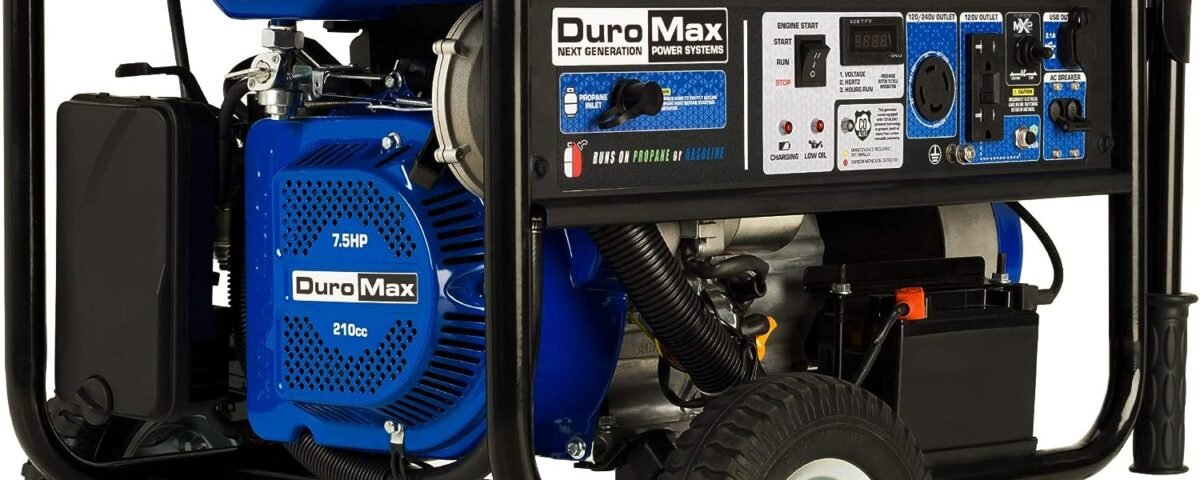
- DuroMax XP13000EH: A true workhorse, the DuroMax XP13000EH is a powerful dual fuel generator capable of supplying 13,000 watts. This is often enough to support an entire home during outages. It's portable, transfer switch ready, and RV-compatible, making it incredibly versatile for various needs. Its heavy-duty engine is built for reliability.
There are many different types of portable generators out there, so it's worth exploring the nuances to find your perfect match.
The Essential Buying Checklist: What to Look for in Any "O2 Generator"
Regardless of whether you're eyeing an oxygen concentrator, an ozone generator, or a power generator, a systematic approach to your purchase will lead to satisfaction. Here’s a consolidated checklist drawing from the best practices for all "O2 generator" types:
1. Purpose & Power Needs: Define Your Core Requirement
- Oxygen Concentrator: Are you looking for personal oxygen supplementation (non-medical)? What flow rate (LPM) and purity concentration are you targeting?
- Ozone Generator: Is your goal odor elimination and air purification in vacant spaces? How large is the area (square feet), and what ozone output (mg/h) is needed? Remember safety!
- Power Generator (Standby/Portable): What appliances or systems absolutely need power during an outage? Calculate your total wattage requirements (running and starting watts). Will it be whole-house or just essential circuits?
2. Fuel Type & Runtime (for Power Generators)
- Gasoline: Widely available, but has a shorter shelf life and requires more frequent refueling.
- Propane: Cleaner burning, longer shelf life, but may require external tanks.
- Dual Fuel: Offers the best of both worlds, providing flexibility and extended runtime if one fuel source becomes scarce.
- Runtime: How long do you anticipate needing power? Match tank capacity and fuel efficiency (ECO modes help) to your expected outage duration.
3. Noise Levels: Consider Your Environment
- Oxygen Concentrators: Aim for very quiet operation, typically below 40 dB, for comfortable indoor use.
- Ozone Generators: Noise is less of a concern since the area is vacated during operation, but a quieter fan is always a plus.
- Power Generators: Inverter generators are significantly quieter (e.g., 60.5 dB(A)) and better for residential areas. Conventional generators can be quite loud and might be unsuitable for close neighbors.
4. Portability & Installation
- Oxygen Concentrators: Look for lightweight, compact designs if you plan to move it between rooms.
- Ozone Generators: Generally portable, look for handles and a compact size for easy placement.
- Portable Generators: Consider weight (e.g., 55 lbs), wheels, and handles for effortless movement.
- Home Standby Generators: These require professional, permanent installation, including a concrete pad, fuel line connection, and an automatic transfer switch. Factor in installation costs.
5. Safety Features: Don't Compromise
- Ozone Generators: Absolutely critical: Ensure you understand and follow the protocol of no humans, pets, or plants present during operation, followed by thorough ventilation.
- Oxygen Concentrators: Look for overheat protection, stable oxygen output, and reputable certifications.
- Power Generators: Essential features include automatic low-oil shutdown, GFCI outlets, CO (carbon monoxide) sensors, and, for standby units, a reliable automatic transfer switch. Never run a generator indoors.
6. Remote Monitoring (for Standby Generators)
- WiFi-enabled systems (like Generac Mobile Link) offer immense convenience, allowing you to check status, receive alerts, and monitor performance from your smartphone, ensuring you're always in the know.
7. Warranty & Support: Invest in Peace of Mind
- A solid warranty (e.g., 5-year limited) provides confidence in the product's longevity and the manufacturer's commitment to quality. Research customer support reputations for prompt and effective assistance.
Common Questions & Misconceptions
Let’s address some frequently asked questions that come up when discussing these diverse "O2 generators."
"Are ozone generators safe for home use?"
Yes, if used correctly and safely. The critical rule is to never operate an ozone generator in a space occupied by humans, pets, or plants. Ozone is a powerful lung irritant. Always ventilate the area thoroughly (at least an hour, or more for strong treatments) after use before re-entry. Think of it like a chemical deep clean for your air—you wouldn't stay in the room while using strong cleaning agents.
"Can I use an oxygen concentrator for medical conditions?"
The specific oxygen concentrators mentioned in the ground truth, like the BSMOON, are designed for "family oxygen supplementation" and explicitly stated as "non-medical devices." This is a crucial distinction. If you or someone you know requires oxygen for a medical condition, you must consult a healthcare professional. Medical-grade oxygen concentrators are prescription devices with specific specifications and regulatory approvals.
"How often should I run my generator for maintenance?"
For standby generators, most manufacturers recommend weekly or bi-weekly exercise cycles (usually 15-30 minutes) to ensure they are ready to run when needed. This keeps internal components lubricated and verifies system functionality. Portable generators should be run periodically (e.g., every month or two) with a load to circulate fluids and ensure proper operation. Always follow your owner's manual for specific maintenance schedules.
"Is an inverter generator worth the extra cost?"
For most homeowners, yes. Inverter generators offer several distinct advantages that often justify their higher price point:
- Quiet Operation: Much less intrusive, especially in residential areas or while camping.
- Clean Power: Essential for safely powering sensitive electronics like laptops, phones, and modern appliances without risk of damage.
- Fuel Efficiency: They often adjust engine speed to match the load, saving fuel.
If you need power for basic tools or non-sensitive items only, a conventional generator might suffice, but for modern home use, an inverter is typically preferred.
Making Your Choice: A Step-by-Step Approach
Feeling more informed? Good. Now, let’s put it all together into a clear decision-making process.
- Identify Your Primary Need: Is it improved indoor air quality (oxygen concentrator or ozone generator)? Or is it reliable backup power (standby or portable generator)? This is your first, most critical filter.
- For Air Quality:
- Personal Breathing Enhancement (Oxygen): Focus on flow rate, purity, and quiet operation. Remember, these are typically non-medical.
- Deep Odor & Purification (Ozone): Prioritize ozone output (mg/h) for your room size and, most importantly, commit to strict safety protocols for vacancy and ventilation.
- For Backup Power:
- Whole-House, Hands-Off (Standby): Determine total wattage needed. Factor in professional installation, fuel type (natural gas/propane), and remote monitoring. This is a significant investment for ultimate peace of mind.
- Flexible, On-Demand (Portable): Calculate essential appliance wattage. Decide on fuel type (gas, propane, dual), noise tolerance, and desired portability features. Consider inverter models for sensitive electronics.
- Set Your Budget: Different categories have vastly different price points, and within each, features scale with cost.
- Read Reviews & Compare Specific Models: Once you've narrowed down the type and features, delve into detailed reviews for specific models like the Generac Guardian, Westinghouse, Airthereal, or BSMOON to see how they perform in real-world scenarios.
- Check Warranty & Support: A good warranty and accessible customer service are invaluable for long-term satisfaction.
Choosing the right "O2 generator" for your home isn't just about buying a device; it's about investing in your comfort, health, and security. By understanding the distinct purposes and key features of each type, you can make a confident, informed decision that truly meets your needs.