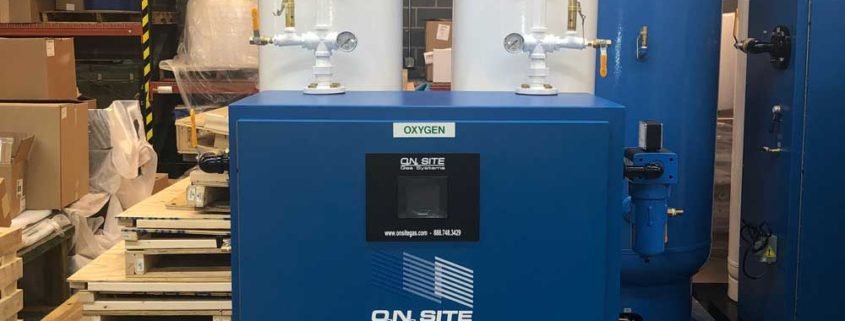
Breathing easily is something many of us take for granted, but for over 1.5 million people in the U.S. alone, it's a daily challenge that often requires the assistance of an oxygen concentrator. These essential medical devices are crucial for managing a range of Benefits and Medical Conditions for O2 Generators, separating the life-giving oxygen from the air we breathe and delivering it directly to those who need it most. If you or a loved one are considering oxygen therapy, understanding how these devices work, their profound benefits, and the important precautions involved is the first breath toward better health.
At a Glance: Your Quick Guide to O2 Generators
- What it is: A medical device that purifies air to deliver 90-95% pure oxygen.
- Who uses it: Individuals with conditions causing breathing difficulties or low blood oxygen, like COPD, asthma, heart failure, and more.
- Key benefit: Provides an unlimited supply of oxygen as long as there's power, improving breathing, energy, and sleep.
- Types: Stationary (for home use) and Portable (battery-powered, for on-the-go).
- Prescription only: Always requires a healthcare provider's prescription due to potential risks.
- Critical safety: Oxygen intensifies fire; keep devices 10 feet from heat sources and avoid sparks.
- Watch for symptoms: Know the signs of both too much (oxygen poisoning) and too little (hypoxia) oxygen.
What Exactly Is an Oxygen Concentrator?
Think of an oxygen concentrator as a personal air purification system, specifically designed for your lungs. Unlike bulky oxygen tanks that store a finite supply of compressed gas, a concentrator is a dynamic medical device. It continuously draws in ambient air, filters out nitrogen, and delivers a highly concentrated stream of oxygen – typically 90% to 95% pure – directly to you through a nasal cannula or a mask. This process, known as oxygen therapy, is prescribed when your body struggles to maintain healthy blood oxygen levels on its own, often due to conditions affecting your lungs or heart.
It's vital to remember that an oxygen concentrator is a prescribed medical tool. Using pure oxygen when it's not medically necessary can actually be harmful, potentially leading to long-term lung damage. Always consult with a healthcare professional to determine if oxygen therapy is right for you.
A Breath of Fresh Air: How Oxygen Concentrators Work Their Magic
The air around us is mostly nitrogen (about 78%), with oxygen making up only about 21%. An oxygen concentrator's clever engineering isolates that precious oxygen with a multi-step process:
- Air Intake: The device first sucks in atmospheric air through an air filter, removing dust and other large particles.
- Compression: This filtered air is then compressed, increasing its pressure.
- Nitrogen Trapping: The pressurized air is forced through special sieve beds containing zeolite. This material is designed to trap the larger nitrogen molecules.
- Oxygen Collection: Smaller oxygen molecules pass through these filters and collect in a small tank or reservoir within the concentrator.
- Delivery: Finally, this concentrated, purified oxygen is delivered through an outlet to the user, ready to be breathed in.
This continuous filtration and delivery mean no more worrying about running out of oxygen, unlike traditional tanks that require frequent refills.
Understanding the Two Main Types: Stationary vs. Portable
Oxygen concentrators come in different forms to suit various lifestyles and medical needs:
- Stationary Oxygen Concentrators: These are your workhorses for home use. They typically weigh around 22 pounds (10 kg) and run on electricity. Many come with battery backups or can be connected to compressed oxygen tanks, offering peace of mind during power outages. Stationary units are designed for consistent, higher-flow oxygen delivery.
- Portable Oxygen Concentrators (POCs): Built for freedom, POCs are significantly smaller and lighter, making them ideal for travel, errands, or simply moving around the house. They are powered by rechargeable lithium-ion batteries, which offer several hours of use. While incredibly convenient, portable concentrators generally have lower oxygen output compared to their stationary counterparts. Your healthcare provider will help you determine which type best fits your specific requirements.
Who Needs Supplemental Oxygen? Medical Conditions That Benefit
Oxygen concentrators are prescribed for a wide array of medical conditions where the body struggles to get enough oxygen from regular air. Essentially, if your breathing is compromised or your blood oxygen levels are consistently low, oxygen therapy might be part of your treatment plan.
Here are some common conditions that benefit from oxygen concentrators:
- Chronic Obstructive Pulmonary Disease (COPD): This umbrella term includes emphysema and chronic bronchitis, both of which damage the lungs and make breathing difficult. Oxygen helps reduce the strain on the lungs and heart.
- Asthma: For severe cases or during acute exacerbations, supplemental oxygen can help alleviate shortness of breath.
- Cystic Fibrosis: This genetic disorder affects the lungs (among other organs), causing thick mucus buildup and recurrent infections that impair oxygen exchange.
- Emphysema: A form of COPD where the air sacs in the lungs are damaged, reducing the surface area for oxygen absorption.
- Heart Failure: When the heart can't pump enough blood to meet the body's needs, tissues may not receive enough oxygen. Oxygen therapy can help.
- Lung Cancer: Patients may require oxygen due to lung damage from the disease or its treatments.
- Pneumonia: During severe infections, the lungs become inflamed and filled with fluid, impairing oxygen uptake.
- Respiratory Trauma: Injuries like severe rib fractures can impede normal breathing, making supplemental oxygen necessary for recovery.
- Sleep Apnea: In some cases, especially severe forms where breathing repeatedly stops and starts during sleep, oxygen therapy may be prescribed alongside other treatments.
Beyond these medical conditions, some athletes, particularly those training or competing in high-altitude areas, use oxygen concentrators to help prevent lactic acid buildup, increase energy, reduce fatigue, and improve their overall training efficacy.
The Tangible Upsides: Key Benefits of Oxygen Concentrator Therapy
Receiving a prescription for an oxygen concentrator often marks a significant turning point in managing a chronic condition. The benefits extend far beyond just easier breathing:
- Improved Breathing and Reduced Strain: While it may not completely eliminate shortness of breath, supplemental oxygen significantly eases the effort of breathing, making daily activities more manageable.
- Enhanced Energy and Better Sleep: When your body consistently receives adequate oxygen, your cells function more efficiently. This often translates to increased energy levels during the day and more restful, deeper sleep at night, breaking the cycle of fatigue that many individuals with respiratory issues experience.
- Unlimited, On-Demand Oxygen Supply: One of the most significant advantages over oxygen tanks is the continuous supply. As long as you have a power source (electricity or charged batteries), your concentrator will keep purifying air, eliminating the worry of running out or needing frequent refills. This offers unparalleled independence and peace of mind. For a deeper dive into the technology behind these devices, you can Explore O2 generator technology.
How Long Will You Need Your O2 Concentrator? Duration of Use
The duration for which you'll need an oxygen concentrator is highly individual and determined solely by your healthcare provider.
- Battery Life: Portable units typically offer 2 to 6 hours on a single battery, or 5 to 13 hours with a double battery. Plug-in units, whether stationary or portable, run continuously as long as they're connected to an electrical outlet.
- Prescribed Use: For many chronic conditions, patients require oxygen for at least 15 hours daily, with some needing it 24 hours a day. The good news is that modern concentrators, especially portable ones, are designed to integrate seamlessly into your life without interfering with daily activities.
- Short-term vs. Long-term: Some conditions, like severe pneumonia, may only require temporary oxygen use during recovery. Others, such as advanced COPD or heart failure, might necessitate lifelong oxygen therapy. Your doctor will specify the frequency and oxygen output settings unique to your medical needs.
Navigating the Challenges: Disadvantages and Potential Risks
While oxygen concentrators offer life-changing benefits, it's crucial to be aware of their potential downsides and risks to ensure safe and effective use.
Power Dependency: Always Have a Backup Plan
Oxygen concentrators require a continuous power source. Stationary units need electricity, and portable units rely on charged batteries. This dependency means you'll need to plan for:
- Power Outages: Always have fully charged backup batteries for portable units, or consider an extra compressed oxygen tank for stationary units, enough to last a few days if you live in an area prone to outages.
- Travel: Ensure you have enough battery life or access to power outlets when traveling.
The Unseen Hazard: Fire Risk with Concentrated Oxygen
This is perhaps the most critical safety consideration. Pure oxygen itself is not flammable, but it acts as a powerful accelerant, meaning it will make fires burn much hotter and faster, and can even cause explosions.
To mitigate this severe risk:
- Maintain Distance: Keep your oxygen concentrator at least 10 feet (about 3 meters) away from any high-heat sources or flammable materials. This includes cigarettes, open fires, gas stoves, ovens, grills, candles, gasoline, oil, paints, rubbing alcohol, and petroleum jelly (which is highly flammable when exposed to oxygen).
- Avoid Sparks: Do not use electrical equipment that can produce sparks near the oxygen concentrator. This includes hair dryers, electric blankets, electric razors, vape pens, and anything else that generates heat or has an exposed heating element. Smoking or vaping while using oxygen is an absolute no-go.
The Fine Line: Too Much or Too Little Oxygen
Both scenarios can be dangerous, highlighting why oxygen therapy must be precisely prescribed and monitored by a healthcare provider.
- Oxygen Poisoning (Too Much Oxygen): While less common with concentrators (which are set to prescribed levels), prolonged exposure to very high concentrations of oxygen can be toxic to the lungs. Symptoms include dizziness, confusion, memory loss, headaches, nausea, and vomiting. If you experience these, contact your doctor immediately.
- Hypoxia (Too Little Oxygen): This means your body isn't getting enough oxygen. Symptoms can include restlessness, confusion, headaches, a slow heart rate (bradycardia), and a bluish tint to your skin, lips, gums, nails, or around your eyes (cyanosis). If you suspect hypoxia, seek urgent medical attention.
Actionable Insight: Regularly monitor your blood oxygen levels using a pulse oximeter, a small device that clips onto your finger. Also, ensure your concentrator is routinely checked by your provider or equipment supplier to confirm it's delivering the correct oxygen purity (many units alert you if purity drops below 80%).
Oxygen Concentrator vs. Oxygen Machine: A Crucial Distinction
It’s easy to confuse an oxygen concentrator with an "oxygen machine," but they serve very different purposes:
- Oxygen Concentrator: As discussed, this device helps you breathe easier by providing concentrated oxygen that you inhale through a cannula or mask. You are still doing the work of breathing.
- Oxygen Machine (Mechanical Ventilator): This is a life support device that breathes for a person when they are unable to do so adequately on their own. It pushes air into and out of the lungs. Mechanical ventilators are typically found in hospital critical care settings.
Understanding this distinction is crucial for proper treatment and expectations.
Making the Smart Choice: Buying or Renting an O2 Concentrator?
The decision to buy or rent an oxygen concentrator depends largely on your medical condition's expected duration and your financial situation.
- Renting:
- Pros: Often better for short-term conditions (e.g., during recovery from an acute illness). Lower upfront costs. Maintenance and repairs are usually covered by the rental company. Allows you to try different models.
- Cons: You might receive used equipment. Long-term, rental costs can exceed the purchase price.
- Buying:
- Pros: Can be more cost-effective for long-term or lifelong oxygen therapy. You get a brand-new device. Full ownership and control.
- Cons: High upfront cost. You're responsible for maintenance, repairs, and eventual replacement.
Actionable Insight: Always discuss this decision with your healthcare provider. They can offer personalized advice based on your prognosis and help you understand potential insurance coverage for purchase or rental.
Understanding the Side Effects of Oxygen Therapy
While generally safe and highly beneficial, oxygen therapy can sometimes lead to side effects. Most are mild and manageable, but it’s important to be aware of the less common, more severe issues.
Common, Manageable Issues (Greater than 1% Incidence)
- Dry or Bloody Nose: Up to 15% of users experience this. The constant flow of dry oxygen can irritate nasal passages. Solution: Using a humidifier bottle with your concentrator, especially with higher flow rates, can add moisture to the oxygen. Nasal saline sprays or gels can also provide relief.
- Skin Irritation: Up to 10% from the nasal cannula or mask tubing. Solution: Regularly clean your equipment, ensure the tubing fits comfortably without undue pressure, and use skin protectants or gentle moisturizers where the tubing touches your skin.
- Fatigue: Up to 5%. While oxygen therapy often improves energy, some may initially feel tired as their body adjusts. This usually improves over time.
- Headache: Up to 3%. This can occur if the oxygen flow rate is too high, leading to over-oxygenation, or from dryness.
Less Frequent Concerns
These are less common but should prompt a discussion with your doctor if they occur:
- Dizziness
- Confusion
- Shortness of breath (paradoxically, if flow rate is incorrect)
- Chest pain
- Coughing
- Vision changes
Serious, But Rare: Oxygen Toxicity and CO2 Retention
These severe side effects are uncommon but require immediate medical attention:
- Oxygen Toxicity (Lung Damage): Prolonged exposure to very high levels of oxygen can damage lung tissue. Symptoms include difficulty breathing, persistent chest pain, and a worsening cough. This risk is usually higher in acute settings where extremely high oxygen concentrations are used, rather than with typical home concentrator use.
- Carbon Dioxide Retention (in conditions like COPD): For some individuals with chronic lung conditions, particularly COPD, oxygen is carefully balanced. Too much supplemental oxygen can suppress the body's drive to breathe (which for them is often triggered by rising CO2, not falling O2). This can lead to a buildup of carbon dioxide, causing confusion, excessive drowsiness, and potentially respiratory failure.
Actionable Insight: If you experience any severe side effects, stop your therapy (if safe to do so) and seek medical attention immediately. Always ensure your healthcare provider is aware of your full medical history before starting or adjusting oxygen therapy.
Navigating Medications: Potential Drug Interactions with Oxygen Therapy
It’s crucial to inform your healthcare provider about all medications, supplements, and herbal remedies you are taking. Some substances can interact with oxygen therapy, potentially increasing risks or affecting efficacy.
Here are some potential drug interactions to be aware of:
- Amiodarone: This medication, used to treat irregular heart rhythms, may increase the risk of lung damage when combined with high levels of oxygen.
- Bleomycin: An antibiotic used in chemotherapy, Bleomycin can heighten the risk of lung toxicity when oxygen therapy is administered.
- Opioids and Sedatives (e.g., morphine, benzodiazepines): These medications can depress the respiratory system, slowing your breathing. When combined with oxygen therapy, they can further increase the risk of respiratory depression.
- Alcohol: Like opioids and sedatives, alcohol can also depress the respiratory system, potentially leading to breathing difficulties and making oxygen therapy less effective or even dangerous.
Actionable Insight: Your healthcare provider needs a complete picture of your health and medications to safely prescribe and manage your oxygen therapy. Never adjust your oxygen flow rate or medication dosages without consulting them.
Important Safeguards: Precautions and Contraindications
To ensure the safest possible experience with your oxygen concentrator, certain precautions and contraindications must be respected.
When to Be Cautious (Precautions)
- Chronic Lung Conditions (e.g., COPD): As mentioned, patients with COPD need cautious monitoring. Over-oxygenation can lead to carbon dioxide retention. Your doctor will prescribe a precise flow rate to avoid this risk.
- Fire Hazard: Reiteration is vital here: Oxygen is a potent fire accelerant. Never smoke or use open flames, candles, or any sparking devices near your oxygen concentrator. Store any backup oxygen tanks safely, away from heat and out of direct sunlight.
- Pregnancy: If you are pregnant, oxygen therapy should only be used if specifically prescribed and monitored by a healthcare provider, as its effects on fetal development require careful consideration.
- Altitude Changes: Traveling to higher altitudes where the air naturally contains less oxygen may require adjustments to your oxygen therapy settings. Always consult your provider before traveling.
When Oxygen Therapy is NOT an Option (Contraindications)
Certain conditions make oxygen therapy inappropriate or even dangerous:
- Untreated Pneumothorax (Collapsed Lung): Administering oxygen under pressure to a collapsed lung can worsen the condition by increasing the size of the air leak. This requires immediate medical intervention before oxygen therapy can be considered.
- Severe Carbon Dioxide Retention: In rare cases where a patient's body already has extremely high levels of CO2 and their breathing drive is severely suppressed, adding oxygen can further decrease breathing efforts, leading to critical respiratory failure. This is a complex medical scenario requiring specialized management.
Actionable Insight: Be open and thorough when discussing your full medical history, lifestyle, and any existing conditions with your healthcare provider. This transparency is crucial for safe and effective oxygen therapy.
Your Health Team is Key: When to Contact a Healthcare Provider
Knowing when to reach out for help is paramount when managing oxygen therapy. Don't hesitate to contact your healthcare provider if:
- You experience any symptoms of oxygen poisoning (dizziness, confusion, memory loss, headaches, nausea, vomiting).
- You experience any symptoms of hypoxia (restlessness, confusion, headaches, slow heart rate, or a blue tint to your skin, lips, or nails).
- Your oxygen concentrator is not working properly, or if it alerts you that the oxygen purity has dropped (e.g., below 80%).
- You have new or worsening shortness of breath, chest pain, or a persistent cough.
- You notice any significant skin irritation or discomfort from your equipment that you can't resolve with simple adjustments.
- You need to travel, especially to different altitudes, and need guidance on adjusting your oxygen settings.
Always use your pulse oximeter as directed to monitor your blood oxygen levels, and ensure your concentrator is routinely serviced by your provider or equipment company to guarantee its proper function.
Taking Your Next Breath Forward: An Actionable Summary
Navigating the world of oxygen concentrators can feel daunting, but with the right information and guidance, it becomes a powerful tool for improving your quality of life. These devices offer incredible benefits for individuals facing various medical conditions, providing a continuous supply of life-giving oxygen and helping to restore energy, improve sleep, and ease the burden of compromised breathing.
Remember that an oxygen concentrator is a prescribed medical device, and its use comes with important responsibilities, particularly regarding fire safety and monitoring your body's response. Always work closely with your healthcare provider to ensure your oxygen therapy plan is tailored to your unique needs, continuously monitored, and adjusted as necessary. With careful attention to detail and open communication with your medical team, you can confidently take your next breath forward, enjoying the benefits that an O2 generator can bring to your life.